
Buying a home
First home, condo or new family home: we compare offers from 30+ financial institutions for you, anywhere in Québec.
Learn more: Buying a home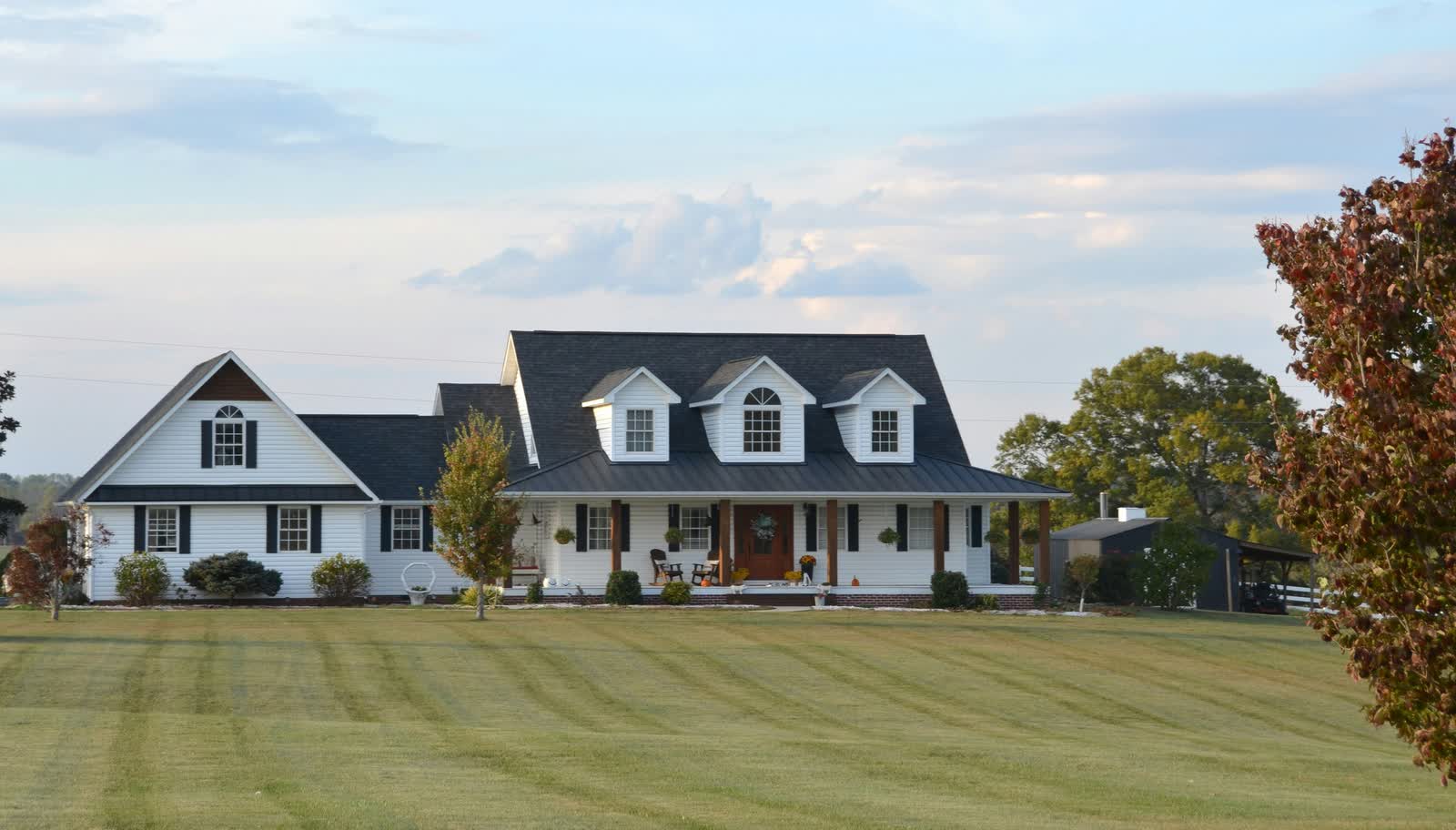
Turn part of your home equity into tax-free cash, with no regular payments, while staying in your home.
Are you 55 or older and would like to benefit from your home’s value without adding monthly payments? A reverse mortgage could be a solution to consider.

A reverse mortgage is a loan secured by your home that lets homeowners 55+ turn part of their home equity into tax-free cash, with no regular payments until the home is sold, you move out, or the last borrower passes away.
Note: interest compounds and is added to the loan balance, so your remaining home equity decreases over time. The calculator lets you see this effect over 15 years.
You qualify mainly based on age, home value and location, not income or credit score.
Pay property taxes on time, keep home insurance in force, maintain the property, and pay condo fees if applicable.
A lender may hold back part of the funds to cover needed repairs or tax/condo arrears.
There are no restrictions on use once any existing mortgage or secured debt is paid off.
Three advance types exist and can be combined; the initial advance is at least $25,000.
Take all your funds upfront in one advance. Lump-sum-only products may offer lower rates.
Minimum $25,000; fixed or variable rate
Receive money regularly on a set schedule: monthly, quarterly, semi-annually or annually.
Amount and frequency set to your needs; usually variable rate only
Keep part of your approved amount and draw it later when you need it.
Drawn when you need them, up to your approved amount
Interest is charged only on money actually advanced, so taking funds gradually keeps costs lower.
Reverse mortgage rates are higher than regular mortgage rates because no payments are made; the main one-time costs are a set-up fee, appraisal and legal advice.
Here, as an example, are one lender’s terms (they vary by lender and by application): interest can be prepaid once a month; up to 10% of the principal can be repaid once a year without charge. For a full repayment, prepayment charges of 5, 4, then 3 months’ interest apply in years 1 to 3, 3 months’ interest in years 4 to 10, and none from year 11. Payments go first to fees, then interest, then principal.
If the home sells for less than what’s owed, the lender covers the difference. Conditions: taxes, insurance and maintenance must be kept up. The guarantee excludes fees and interest after the due date.
You then owe the principal, accrued interest, fees, and any prepayment charge. Everything left after repayment belongs to you or your estate.
The process runs in five steps, and we lead the first two.
The independent legal advice step confirms that you understand the terms, are of sound mind, and aren’t being pressured to sign. A reassuring protection, for you and your loved ones.
A tax-free, payment-free loan for homeowners 55+. You receive part of your home’s value as a lump sum, scheduled advances or both, and repay when you sell, move out or the last borrower passes away.
Homeowners whose youngest owner is 55 or older, who live in the home as their primary residence, with a home worth at least $250,000 in most cities and towns in Québec.
Up to 59% of your home’s value under certain conditions, depending on age, appraised value, location and property type.
You do. You never transfer ownership to the lender.
Anything: paying off debt, renovations, care, travel, helping family.
No monthly payments, no minimum credit score, lower income criteria.
No. An existing mortgage is paid off with the reverse mortgage funds.
It’s possible. There’s no minimum credit score: the lender looks at your overall financial situation.
Yes. Condos, townhouses, semi-detached and plexes are eligible; condo fees must stay paid.
Yes, for you and any non-titled spouse, from a lawyer or notary.
No. It’s a loan, not income.
A set-up fee deducted from the first advance, an appraisal fee and legal fees.
Because no payments are made until the loan is due.
Yes, plus regular maintenance.
No, but you can pay interest monthly to keep the balance from growing.
Yes. Partial prepayments are allowed each year; full early repayment may carry a charge in the early years.
When you sell, the last borrower moves out permanently, or passes away.
The loan is repaid from your estate, usually through the sale of the home. Thanks to the no negative equity guarantee, your heirs don’t have to pay more than the home’s fair market value, provided the loan obligations were met.
Not as long as you pay taxes and insurance, maintain the home and live in it. You’ll never owe more than its fair market value.
The gain is yours.
Have another question? Contact us.
A quick estimate for Québec homeowners aged 55 and over. No personal information required.
| Year | Home value | Loan balance | Remaining equity |
|---|
For guidance only. This illustration is for information only. Available in most cities and towns in Québec. Actual amounts depend on your age, the home’s location and type, its appraisal and each lender’s criteria.
The maximum can reach 59% of the home’s value, under certain conditions. Rates, fees and percentages used are estimates and may change without notice. Interest compounds and is added to the loan balance.
You must keep paying property taxes and home insurance and maintain your home. Consult a tax advisor about your situation. Contact us for precise figures.
Call or email us: we analyze your situation in complete confidentiality and present the options available to you.
The service is free and without obligation for you.
First home, condo or new family home: we compare offers from 30+ financial institutions for you, anywhere in Québec.
Learn more: Buying a homeAt maturity, you’re free to switch lenders. We compare your renewal offer with those from 30+ financial institutions.
Learn more: Mortgage renewalUnlock part of your home’s value to bring your projects to life or consolidate your debts, at a generally much better rate.
Learn more: Mortgage refinancingDuplex, triplex, fourplex or larger income property: we target the lender best suited to your project, whether you live there or not.
Learn more: Plexes & multi-unit propertiesSelf-employed, newcomer or physician: programs exist that take your reality into account.
Learn more: Special programsTurned down by the bank, credit to rebuild or income that’s hard to prove? A refusal isn’t the end of your project.
Learn more: Alternative & private lending